“May her memory be a blessing” is a phrase of comfort said after a woman has died. It comes from Jewish tradition. It expresses the hope that remembering her will keep bringing good into the lives of the people who loved her. Today, people of many backgrounds use it in condolence messages, obituaries, and tributes. This guide explains where the phrase comes from, what it means, and how to use it with care.
What the Phrase Means
The phrase is both a wish and a gentle encouragement. It wishes that the person’s memory will bring comfort and joy, not only sadness. It also invites the family and friends to let her good example shape how they live.
When you say it to someone who is grieving, you are telling them two things: “I am sorry for your loss,” and “I honor the good life she lived.”
Where It Comes From
The phrase has deep roots in Jewish tradition, where it is known as zikhronah livrakha (for a woman) or zikhrono livrakha (for a man). The Jewish English Lexicon lists the plural form as zichronam livracha. In writing, it is often shortened to “z”l,” which is pronounced “zal.” The Reform Judaism website explains that people add these words after naming someone who has died.
PJ Library, a Jewish family education program, traces the phrase to Proverbs 10:7. The King James Version translates that verse this way:
“The memory of the just is blessed: but the name of the wicked shall rot.” (Proverbs 10:7, KJV)
The idea is that a good life leaves behind a memory that keeps blessing others.
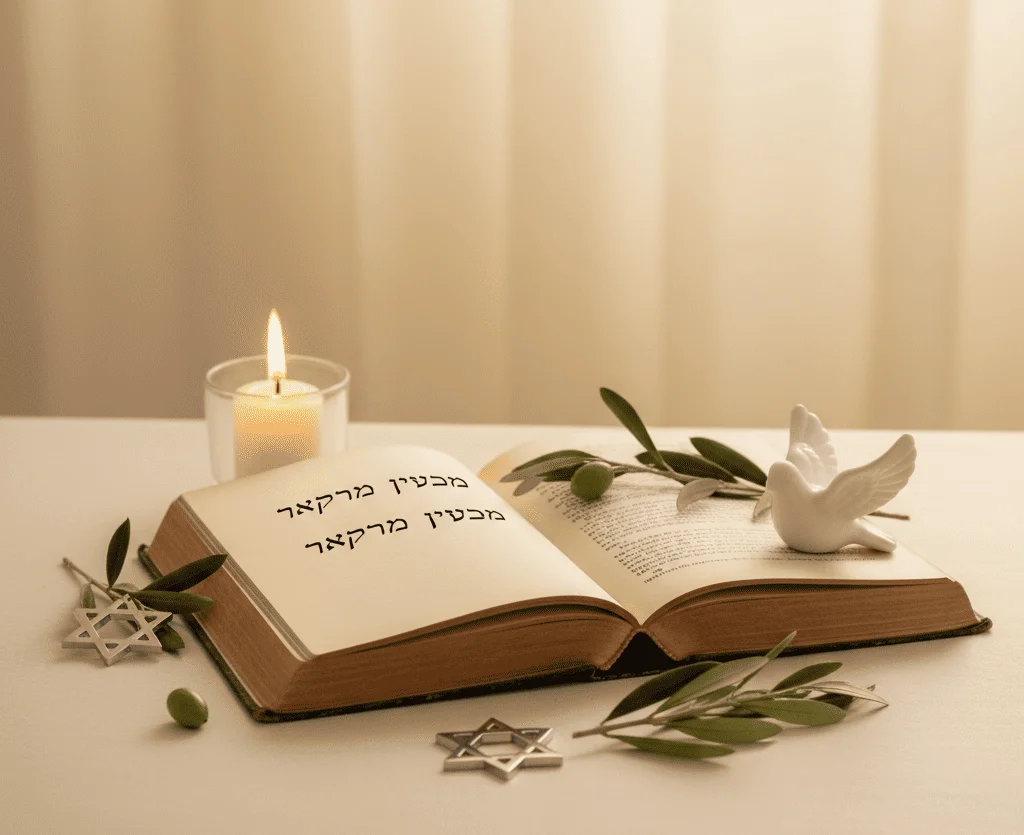
Who Can Say It?
Anyone can say it with respect. Many Jewish families find it meaningful, and people of other faiths often use it too. If the family who is grieving is Jewish, the phrase is usually a welcome and fitting choice. If they are not, it is still a kind and gentle thing to say.
The Reform Judaism website also lists a few related expressions:
| Expression | Meaning | When it is used |
|---|---|---|
| Zichrona livracha (z”l) | May her memory be for a blessing | After naming a woman who has died |
| Aleha hashalom (a”h) | May peace be upon her | After naming a woman who has died |
| Baruch Dayan ha’emet | Blessed is the Judge of Truth | When first hearing news of a death |
How to Use It in a Condolence Message
Keep your message short, warm, and personal. Here are some examples:
- “I am so sorry for your loss. May her memory be a blessing.”
- “Your mother was such a kind woman. May her memory be a blessing to you and your family.”
- “I will always remember her laugh. May her memory be a blessing.”
- “Thinking of you during this hard time. May her memory be a blessing.”
For a man, say “May his memory be a blessing.” For more than one person, or when you do not know the gender, you can say “May their memory be a blessing.”
Ways to Turn a Memory Into a Blessing
Many families take the phrase as a call to action. Here are simple ways people honor someone they lost:
- Do something she loved, such as cooking her favorite meal or visiting a place she enjoyed.
- Support a cause she cared about with time or a gift in her name.
- Pass on her lessons and sayings to children and grandchildren.
- Share her stories at family gatherings and on special dates.
- Light a candle, plant a tree, or keep a photo where you will see it each day.
These acts do not need to be large. Even saying her name and telling her story can keep her memory alive.

How to Support Someone Who Is Grieving
Words matter, but your presence matters more. Here are gentle ways to help:
- Listen more than you talk. You do not need to fill every silence.
- Offer specific help. Say “I can bring dinner on Wednesday” instead of “Let me know if you need anything.”
- Remember important dates. A short message on a birthday or anniversary can mean a lot.
- Avoid easy answers. Phrases like “She is in a better place” or “Everything happens for a reason” may not comfort everyone.
PJ Library notes that the phrase is often heard during shiva visits, the period of mourning after a Jewish funeral. If you visit a Jewish home during shiva, it is a respectful thing to say.
Frequently Asked Questions
What does z”l mean after a name?
It is short for zichrono livracha or zichrona livracha, which means “may his or her memory be for a blessing.” It is pronounced “zal.”
Is “May her memory be a blessing” only for Jewish people?
No. It began in Jewish tradition, but people from many backgrounds now use it to offer comfort.
What is the difference between this phrase and “Rest in peace”?
“Rest in peace” wishes peace for the person who died. “May her memory be a blessing” focuses on the good her life brings to the living. The Reform Judaism website notes that “Rest in peace” is less common in Jewish settings.
How should I reply when someone says it to me?
A simple “Thank you” or “Thank you, that means a lot” is enough.
Sources
- Reform Judaism, What is the Jewish expression to refer to someone who has died?
- Jewish English Lexicon, zichrono livracha
- PJ Library, Why do Jewish people say “May their memory be a blessing”?
- Proverbs 10:7, King James Version, via Bible Gateway
Updated October 2026: added the phrase’s Hebrew roots and sources, related expressions, and condolence examples. Removed claims about services this site does not offer.