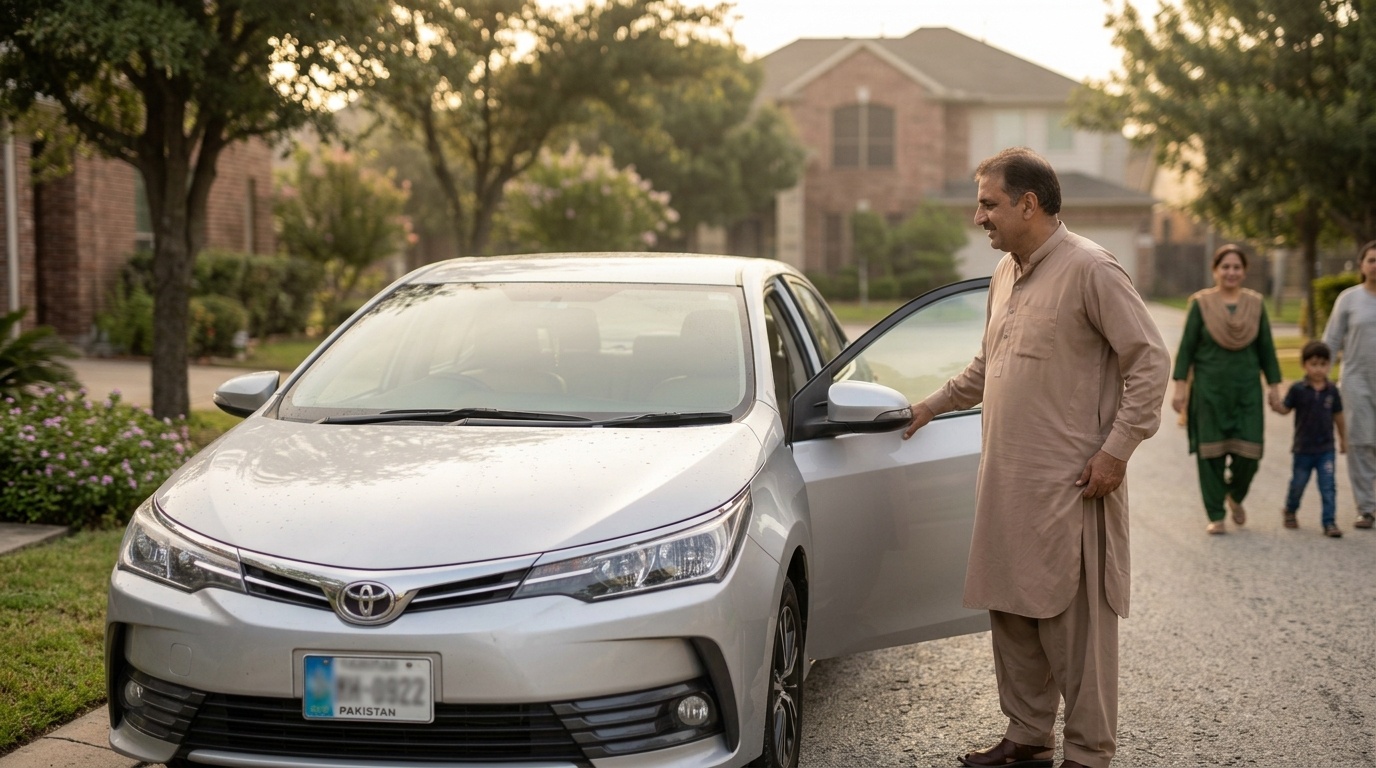
Blessings for a car are prayers that thank God for a vehicle and ask for care, wisdom, and safe travel for everyone who uses it. You can offer a simple personal prayer before a journey or ask your church about a formal blessing. The focus is gratitude, faith, and responsible care.
A car can hold a surprising amount of your life. It carries groceries, school bags, work clothes, and the people you love. Some trips feel ordinary. Others take you toward a fresh start, a difficult appointment, or a long-awaited reunion.
It makes sense to bring those journeys into your prayer life.
You might have just received the keys to your first vehicle. Perhaps your family depends on an older car, and you want to give thanks for each useful mile. Or someone you care about is preparing for a long drive, and you want to send them with a thoughtful prayer.
This guide from The True Blessings offers words for those moments. You will find simple prayers, short messages, and guidance on the difference between personal devotion and a formal church blessing.
The prayers and messages below are original examples written for this guide. They are not Bible quotations or official church texts. Scripture and religious guidance have separate source links where they appear.
Choose the words that fit your situation. You can read a prayer as written, shorten it, or add the names of the people who will travel with you. A sincere sentence gives you a place to begin.
What Is a Car Blessing?
A car blessing is a prayer that places a vehicle and its use within a person’s faith. In Christian practice, it can include thanks to God, requests for protection, and a commitment to use the vehicle with care.
The car itself is only part of the picture. The driver, passengers, and people sharing the road matter too. A thoughtful prayer makes room for all of them.
Think about a parent driving children to school. The prayer might ask for patience during a busy morning. Someone who drives for work might pray for sound judgment during a demanding day. A person giving a friend a ride might give thanks for the chance to help.
There are two useful distinctions:
- Personal prayer: Your own words of gratitude and request, spoken alone or with others.
- A formal church blessing: A religious rite with its own text, leader, and directions.
Catholic teaching includes blessings among the sacramentals, sacred signs connected with the Church’s prayer. The Catechism, paragraphs 1667 through 1671, explains this framework.
A blessing does not serve as a mechanical inspection or a promise that nothing difficult will happen. Its purpose concerns faith and how you receive and use what you have.
That gives the practice meaning beyond the first day of ownership. Gratitude can shape how you treat the car, the people inside it, and those you meet along the way.
3. When Should You Offer a Blessing for a Car?
For personal prayer, choose a moment that helps you pause and pay attention. You do not need to wait for a celebration or plan a large gathering.
Useful occasions include:
- Bringing home a vehicle, whether new or used.
- Preparing for a longer journey.
- Welcoming a newly licensed driver into the family routine.
- Beginning a job that involves regular travel.
- Returning home and giving thanks after a trip.
Each occasion invites a slightly different prayer. When you receive a vehicle, you may focus on gratitude. Before a demanding drive, you may ask for patience and clear judgment. When a young driver gains more freedom, you may pray for steady choices and the courage to avoid pressure from friends.
You can also pray on an ordinary morning. The trip does not need to feel important to deserve your care.
For a shared moment, ask everyone to settle in before you begin. Let passengers know you would like to say a brief prayer. Keep participation voluntary, especially when people have different beliefs.
Offer a spoken or written prayer while the vehicle is safely parked. Give yourself enough time that it does not become one more rushed task before leaving.
If you want a formal service, contact your church in advance. Ask how to arrange it and what the minister would like you to bring. Follow the guidance for that particular rite rather than assuming every church uses the same process.

A Simple Car Blessing Prayer for Drivers and Passengers
A useful car blessing prayer can thank God for the vehicle, remember everyone who travels in it, and ask for wise decisions. Here is an original example you can use before setting out.
Heavenly Father, thank You for this car and the ways it helps us care for one another. Bless the journeys we make in it and watch over each person who rides with us.
Give the driver a clear mind, patient words, and careful hands. Help us notice the needs of others and make room for them on the road. When plans change, teach us to respond with calm and good sense.
Guide us toward wise choices. Remind us to rest when we need rest, seek help when we need help, and value people more than our schedule. May we use this vehicle with gratitude and return home thankful for Your care. Amen.
You can make this prayer more personal with one short addition. Mention a child learning to travel independently, a loved one joining the trip, or the reason for your journey.
For example, a driver heading to an important family conversation might add, “Help me arrive ready to listen.” Someone collecting a friend could say, “Let this ride be a small act of kindness.”
These details keep the prayer connected to real life. They also help you think about the kind of person you want to be when you reach your destination.
There is no need to turn the moment into a speech. Leave a little silence afterward if you wish, then prepare for the drive with your full attention.
A Blessing for a New Car With Gratitude and Purpose
Receiving a vehicle can bring joy and relief. It may mean a shorter walk to work, an easier way to care for family, or freedom after a long period of relying on others.
A new car prayer can acknowledge those changes without placing too much value on the car itself. Its price, size, or appearance does not need to become the center of the moment.
Lord, thank You for the help this vehicle will bring into my daily life. I am grateful for the work, support, and patience that helped make this possible.
Teach me to care for it wisely and use it with a generous heart. Let it help me meet my duties, stay connected with loved ones, and offer help when I can.
Keep pride from shaping my choices. Give me patience as I learn its controls and good judgment as I drive. May I value every person who enters this car more than anything I own. Amen.
Before your first outing, take time to learn the vehicle. Adjust your seat and mirrors. Locate important controls while parked. Read the owner’s manual when a feature is unfamiliar.
You might also choose one practical act of care to accompany your prayer. Set a reminder for routine service, organize the documents you need, or agree on how family members will share the vehicle.
If the car came as a gift, thank the giver directly. If several people helped you reach this point, name their kindness in your prayer.
A used vehicle can mark an equally meaningful beginning. The focus is what this car will make possible in your life, including the ordinary tasks that often matter most.
Short Car Blessings for Everyday Journeys
Short prayers work well when you want a simple way to begin or end a trip. Choose one that matches the moment instead of trying to say them all.
Before the morning drive
Lord, help me begin this journey with a clear mind and a patient heart. Guide my choices today. Amen.
When someone travels alone
God, watch over the person I love. Give them wisdom on the road and the confidence to stop when they need rest. Amen.
Before a difficult appointment
Father, help me face what waits ahead. Let me travel calmly and arrive ready for the next step. Amen.
When plans change
Lord, steady my thoughts when the day does not go as planned. Help me choose patience and keep others in mind. Amen.
After returning home
Thank You, God, for the people we met and the journey we completed. Help us notice the good we received today. Amen.
Keep a favorite prayer in a notebook or save it where you can read it before driving. Avoid placing anything where it blocks your view or encourages you to read while moving.
You can let one phrase stay with you after the prayer ends. “Choose patience” may be enough to remind you of your intention when a delay tests your mood.
A brief prayer does not need to cover every possible concern. Its small size can help you focus on the one thing you most need to remember that day.
Prayers for a Family Car and Safe Travel
A family car often carries different needs at once. One person wants quiet, another feels excited, and a child may need reassurance about the trip. A shared prayer can make room for those needs before everyone settles into the journey.
Invite each person to name one thing they appreciate or one concern they want to include. Keep it simple. A child might give thanks for visiting a grandparent. An adult might ask for patience during a long day.
Loving God, thank You for each person traveling with us. Help us treat one another gently, especially when we feel tired or impatient.
Give our driver attention and sound judgment. Teach us as passengers to be helpful and considerate. Help us speak kindly, notice when someone needs a break, and welcome changes to our plans with grace.
Watch over the people we are going to see and those we leave at home. May this journey bring us closer through care, listening, and time together. Amen.
If you want to include Scripture, Psalm 121:8, NABRE, says:
“The LORD will guard your coming and going both now and forever.”
The accompanying Bible notes connect Psalm 121 with a blessing for someone setting out on a journey. You can read the whole psalm before leaving and reflect on its message of trust. It is not a passage written specifically about automobiles.
With children, explain the prayer in words they can understand. You might say, “We are thanking God for this trip and asking for help to care for each other.”
Then give everyone a useful role. One passenger can help with directions. Another can keep needed items within reach. Thoughtful cooperation gives your shared words a place in the journey itself.
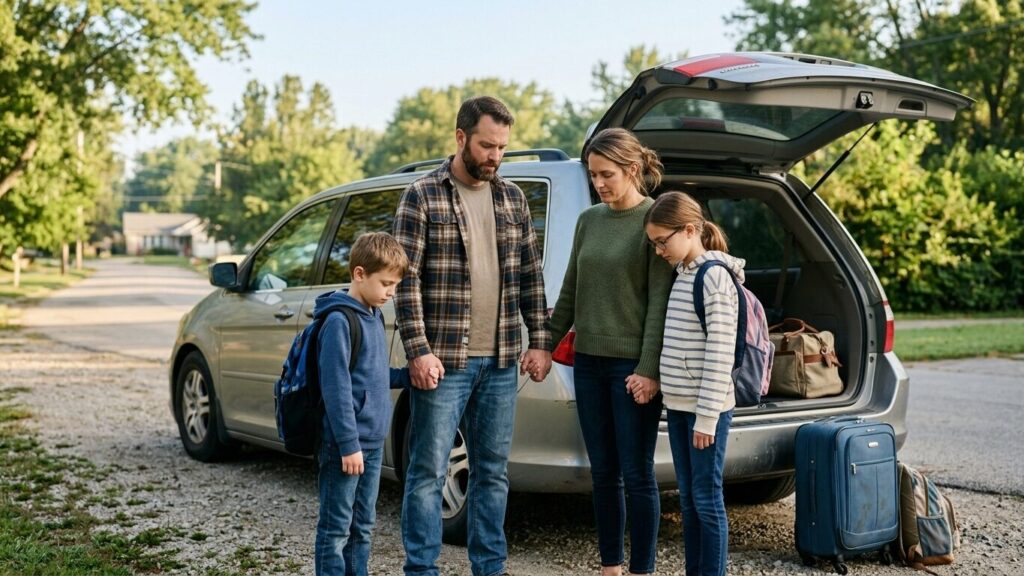
Understanding a Catholic Blessing of a Vehicle
A Catholic blessing of a vehicle belongs within the Church’s wider practice of blessing people and things used in daily life. If you want a formal rite, ask your parish which form it uses and who should lead it.
The Catechism, paragraphs 1668 and 1669, describes prayer and signs such as holy water, which recalls Baptism. It allows lay people to lead certain blessings and reserves others to ordained ministers.
That distinction matters. Permission to offer personal prayer does not mean every person should lead every published liturgical text.
For example, the vehicle blessing published by Jesus Reigns Marian Movement includes English and Latin. Its directions identify a priest and include sprinkling the vehicle with holy water. Follow the directions attached to the particular rite rather than treating it as a general script for anyone to perform.
The same prayer refers to Philip and a traveler reading Scripture in a chariot. The background appears in Acts 8:26 through 40. Philip explains the good news about Jesus to the traveler, who later receives Baptism and continues his journey with joy.
This helps explain why the traditional text reaches beyond physical travel. It also speaks about faith and a person’s spiritual journey. Acts does not present a modern car blessing ceremony.
To arrange a formal blessing, you can:
- Contact the parish office and explain what you would like.
- Ask who can lead the approved rite.
- Agree on a suitable time and where to park.
- Ask whether your family may attend.
- Follow the minister’s directions during the prayer.
You do not need to arrive with a script copied from the internet. A simple request gives the parish room to guide you according to its practice.
If you prefer to pray privately, use your own words or a suitable devotional prayer. Label it honestly as personal prayer. This keeps the moment meaningful while respecting the difference between individual devotion and the Church’s formal worship.
How to Write Your Own Car Blessing Prayer
Start with what the vehicle means in your life. You do not need formal language. Clear, specific words will help you express the gratitude and concerns you actually carry.
1. Name something you appreciate.
Think beyond simply owning a car. Perhaps it helps you visit a relative, reach your workplace, or carry equipment for a useful task. Thank God for that practical help.
2. Include the people involved.
Remember drivers, passengers, and others sharing the road. If you often travel alone, you can still include the people waiting for you and those you may meet.
3. Ask for qualities you can practice.
Patience, attention, kindness, and good judgment fit naturally into a driving prayer. Connect your request to a choice: allowing enough time, making space for another driver, or accepting a delay without anger.
4. Mention one personal concern.
Be honest about what feels difficult. You may be learning an unfamiliar vehicle, taking a longer route, or returning to driving after a break. Acknowledge the concern without trying to list every possible danger.
5. Close in a way that reflects your faith.
You can end with thanks, a request for guidance, or “Amen.” For a shared prayer, choose words that participants understand and feel comfortable hearing.
Here is an original example for someone beginning a job with more travel:
God, thank You for this work and for a way to reach it. Help me plan my days with care so that I do not rush. Give me patience when traffic slows and wisdom when I need to change my plans. Let my journeys support the people who depend on me. Amen.
Read your draft aloud while parked or at home. Remove any phrase you would not normally say. If a sentence feels vague, replace it with something concrete.
For instance, a request to “make everything perfect” can become a request for courage to ask for help. The second gives you something useful to remember when the day takes an unexpected turn.
Car Blessing Quotes and Messages to Share
A thoughtful message can celebrate a vehicle or encourage someone before a journey. Keep the focus on the person receiving it and what this moment means to them.
The following messages are original examples, not scripture or quotations from religious leaders:
- “May this car help you reach the people you love and the work that gives your days purpose.”
- “Praying for patient decisions, clear attention, and a peaceful heart as you travel.”
- “May every journey give you something to appreciate, even when the day takes longer than planned.”
- “Congratulations on your new car. May you enjoy the freedom it brings and care well for everyone who rides with you.”
- “Thankful you have a way to make this journey. Take your time, care for yourself, and know that you matter to us.”
For a card, add one detail only you would know. Mention the visits you look forward to or the goal the person worked toward. That small detail makes the message personal.
If the recipient does not share your faith, choose a gentle expression of care rather than assuming they want religious advice. “Wishing you a calm journey and a happy visit” can convey warmth without pressure.
Send the message before departure or after arrival. Let the recipient know there is no need to reply while driving.
Bringing Prayer and Responsible Driving Together
Let the care expressed in your prayer guide the way you prepare and drive. Attention, rest, and basic vehicle care remain part of looking after yourself and others.
Before leaving, take a short practical pause:
- Check that everyone has the right seat belt or child restraint.
- Set your route and put away anything likely to distract you.
- Allow time for delays and necessary breaks.
- Check that the vehicle is ready for the trip.
- Speak up if you feel too tired to drive safely.
NHTSA’s distracted driving guidance explains that anything drawing attention away from driving can create risk. Read your prayer before setting off. Keep your eyes open and your attention on the road once the vehicle moves.
Rest deserves the same care. NHTSA’s guidance on drowsy driving stresses adequate sleep and warns that caffeine alone may not overcome serious tiredness. If you become sleepy, stop in a safe place and address the need for rest.
Vehicle care also calls for practical action. Follow your owner’s manual and get a qualified mechanic’s help when a problem needs attention. For tires, NHTSA recommends checking inflation and condition. Prayer cannot tell you whether a worn part needs replacement.
For example, imagine that you finish praying and notice a problem with the car. Delaying the trip to seek help fits the care you just expressed. You do not need to press ahead to prove your trust.
The same principle applies to frustration. If another driver makes a mistake, leave room for a safe response. A prayer for patience becomes useful when you choose patience in a difficult moment.
Frequently Asked Questions About Car Blessings
What words can I use to bless my car?
You can begin with thanks and ask for wise choices and care for everyone traveling. For example: “Lord, thank You for this vehicle. Help me drive with patience and attention, and watch over everyone who travels with me. Amen.” This is an original personal prayer. You can add names or a concern that matters to you.
Can I offer a personal prayer over my car without a priest?
Yes, you can offer your own prayer of thanks and ask God for guidance without arranging a formal service. For an official Catholic rite, follow its directions about the leader. The Catechism, paragraph 1669, distinguishes blessings that lay people may lead from those reserved to ordained ministers. Ask your parish if you are unsure about a particular text.
Can I bless a used car as well as a new one?
Yes, you can include a used vehicle in your personal prayers. Give thanks for the help it brings and pray for those who will use it. You do not need different devotional wording because someone owned it before you. If you want a formal blessing, ask your church. Arrange any needed mechanical checks separately.
How can I create a car blessing prayer for my family?
Ask each person what they would like to give thanks for or pray about. Combine their thoughts into a few sentences about the journey, the driver, and how you will treat each other. Let children use their own simple words. Invite everyone to join, but allow anyone who prefers to listen quietly to do so.
Should I say a car blessing before a long journey?
You can, if prayer forms part of your faith. A brief prayer offers a moment to express gratitude and name the care you hope to show throughout the trip. Say it while safely parked, then check your route, passengers, and vehicle. Leave room in your plans for rest, and respond to changing conditions with sound judgment.
A meaningful vehicle blessing begins with gratitude and reaches into the choices you make afterward. Use a personal prayer that fits your life, seek church guidance when you want a formal rite, and care for the people who share your journeys. You can hold faith and practical responsibility together, one thoughtful decision at a time.
Choose one prayer from The True Blessings, make it your own, and share it with someone preparing for a journey. A few sincere words can be a simple way to say that their life, their time, and their safe return matter to you.