

In Islam, a prayer for blessing is usually a dua, a personal supplication in which a Muslim asks Allah for good in this life and the next. Muslims ask for barakah (blessing), rizq (provision), forgiveness, guidance, and protection. Many of the best known duas come directly from the Quran or from the Sunnah, the teachings of Prophet Muhammad (peace be upon him). This guide lists several of them with their Arabic, transliteration, meaning, and source, and explains how Muslims understand dua and provision.
What Muslims Mean by Blessing and Provision
- Barakah means blessing: goodness that grows and lasts, even in small things.
- Rizq means provision: everything Allah gives a person, including money, food, health, knowledge, and family.
In Islamic teaching, all provision comes from Allah. Dua is not a magic formula for wealth. It is an act of worship and trust, made alongside honest, lawful effort. The Quran says:
وَيَرْزُقْهُ مِنْ حَيْثُ لَا يَحْتَسِبُ ۚ وَمَن يَتَوَكَّلْ عَلَى ٱللَّهِ فَهُوَ حَسْبُهُۥٓ ۚ إِنَّ ٱللَّهَ بَـٰلِغُ أَمْرِهِۦ ۚ قَدْ جَعَلَ ٱللَّهُ لِكُلِّ شَىْءٍ قَدْرًا
And will provide for him from where he does not expect. And whoever relies upon Allāh – then He is sufficient for him. Indeed, Allāh will accomplish His purpose. Allāh has already set for everything a [decreed] extent.
Surah At-Talaq 65:3 (Sahih International)
Dua of Prophet Musa: “My Lord, I Am in Need”
The Quran records this dua of Prophet Musa (Moses, peace be upon him) in Surah Al-Qasas 28:24. He made it after fleeing Egypt, when he reached Madyan, helped two women water their flock, and then sat in the shade.
“Rabbi inni limaa ‘anzalta ‘ilayya min khayrin-faqeer”
Translation: “O my Lord! I am indeed needy of whatever good You may send to me.”
For comparison, Sahih International translates the verse as: “So he watered [their flocks] for them; then he went back to the shade and said, “My Lord, indeed I am, for whatever good You would send down to me, in need.””
Dua for Beneficial Knowledge, Good Provision, and Accepted Deeds
Sunan Ibn Majah 925 reports, from Umm Salamah, that the Prophet (peace be upon him) said this after the Fajr (morning) prayer. Sunnah.com lists it as sahih.
“Allahumma inni as’aluka ‘Ilman naafi’an, wa rizqan tayyiban, wa ‘amalan mutaqabbalan.”
Translation: “O Allah, I ask You for knowledge that is of benefit, a good provision, and deeds that will be accepted.”
Dua for Forgiveness, Mercy, Guidance, and Provision
Sahih Muslim 2697 reports that the Prophet (peace be upon him) taught this dua to people who had just accepted Islam.
Allahumma-ighfir li, warhamni, wa-hdini, wa ‘afini, warzuqni.”
Translation: “O Allah! Forgive me, have mercy on me, guide me, guard me against harm, and provide me with sustenance and salvation.”
Dua for Allah’s Favor When Leaving the Mosque
Sahih Muslim 713 reports that the Prophet (peace be upon him) taught Muslims to say this when leaving the mosque.
“Allahumma inni as’aluka min fadlika.”
Translation: “O Allah, I ask for Your favour.”
“Fadl” means Allah’s grace and generosity, which covers every kind of good.
Duas Asking for Allah’s Provision
These two short duas are commonly recited when asking Allah for provision. This page does not have a verified source reference for them, so they are shown as general supplications, not as Quran verses:
“اللَّهُمَّ ارْزُقْنِي مِنْ فَضْلِكَ الْوَاسِعِ الْحَلَالِ الطَّيِّبِ“
“اللهم ارزقني من فضلك“
Both ask Allah to provide from His bounty. The first adds that the provision be wide, lawful (halal), and pure.
The Dua of Prophet Sulaiman in Surah Sad 38:35
“Qaala Rabbigh fir lee wa hab lee mulkal laa yambaghee li ahadin min ba’dee innaka Antal Wahhaab.”
Translation: “He said, ‘My Lord, forgive me and grant me a kingdom such as will not belong to anyone after me. Indeed, You are the Bestower.”
The Arabic text of the verse:
قَالَ رَبِّ ٱغْفِرْ لِى وَهَبْ لِى مُلْكًۭا لَّا يَنۢبَغِى لِأَحَدٍۢ مِّنۢ بَعْدِىٓ ۖ إِنَّكَ أَنتَ ٱلْوَهَّابُ ٣٥
He prayed, “My Lord! Forgive me, and grant me an authority that will never be matched by anyone after me. You are indeed the Giver ˹of all bounties˺.”
This was a specific request by a prophet, recorded in the Quran. Sulaiman (Solomon, peace be upon him) asked for forgiveness first, and then for a kingdom unique to him. Many Muslims reflect on this verse to learn that forgiveness comes before worldly requests.
Tasbeeh: Words of Praise
Sahih al-Bukhari 6406 reports that the Prophet (peace be upon him) described two phrases as light on the tongue, heavy on the scale of good deeds, and beloved to the Most Merciful.
The two phrases are:
“سُبْحَانَ اللهِ وَبِحَمْدِهِ، سُبْحَانَ اللَّهِ الْعَظِيمِ“
These words are acts of praise and remembrance. The hadith speaks of their reward, not of wealth, so they are best recited for their own sake.
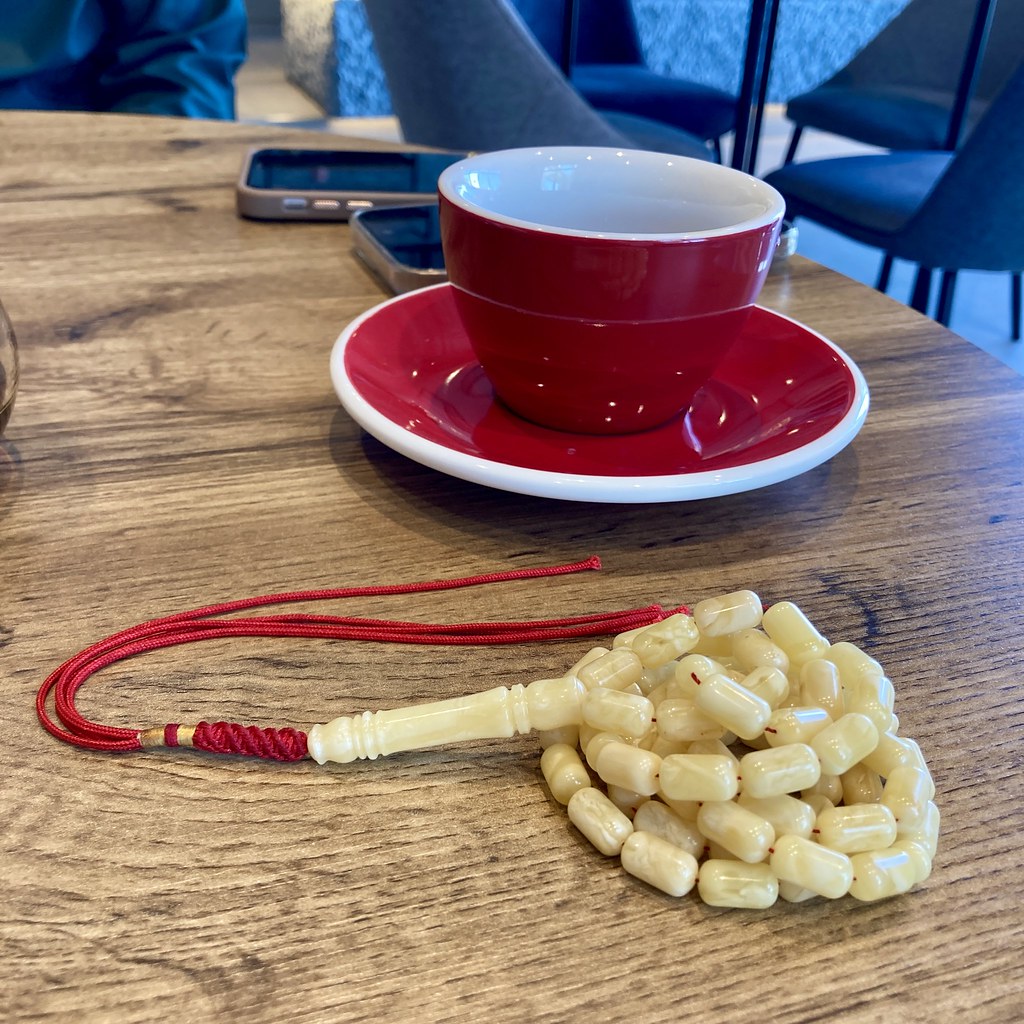
How Muslims Make Dua for Blessings
- Begin with praise. Many begin by praising Allah and sending blessings on the Prophet (peace be upon him).
- Ask sincerely. Speak from the heart, in Arabic or your own language.
- Ask for halal provision. Islamic teaching links blessing with lawful earnings.
- Be patient. Muslims believe Allah answers every dua in the way He knows is best.
- Keep working. Dua goes together with honest effort.
For more Arabic blessings, read may Allah bless you in Arabic, may Allah be with you in Arabic, and dua for protection of children.
Frequently Asked Questions
What is the best dua for blessings in Islam?
There is no single answer. Duas from the Quran and authentic hadith, such as Quran 28:24 and the dua in Ibn Majah 925, are widely recited.
Can I make dua in English?
Yes. Many scholars teach that personal dua can be made in any language. Duas from the Quran and Sunnah are often learned in Arabic as well.
Does reciting a dua guarantee wealth?
No. Muslims make dua as worship and trust. Allah gives provision in the way and time He chooses.
What is barakah?
Barakah is blessing that makes something good, lasting, and enough, even if it is small.
Sources
- Quran.com, Surah Al-Qasas 28:24, Surah At-Talaq 65:3, and Surah Sad 38:35
- Sunnah.com, Sunan Ibn Majah 925, Sahih Muslim 2697, Sahih Muslim 713, and Sahih al-Bukhari 6406
Updated October 2026: added verified Quran and hadith references for each dua, explained barakah and rizq, removed claims about attracting wealth and luck, and corrected labels. All original Arabic text, transliterations, and translations are kept unchanged.



One Response
AMEEN